Superior activity and low tox
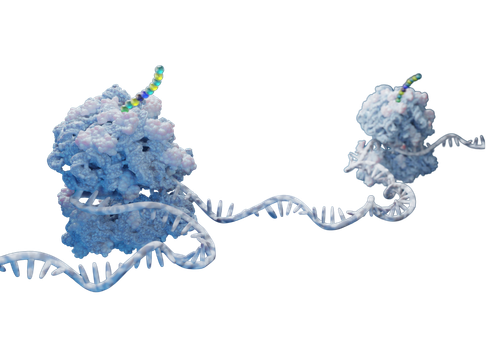
Halogenated amino acids are ubiquitous in small-molecule drug design but have been largely absent from peptide therapeutics. Fluorine, chlorine, and bromine substituents tune hydrophobicity, metabolic stability, and membrane interactions with a precision that natural amino acid side chains may not match.
Fluorinated ncAA modification of the antimicrobial peptide WK2 extended serum stability from 225 minutes to over 1,440 minutes (a 6-fold improvement) while maintaining superior antibacterial activity against multidrug-resistant bacteria. The modified peptide (FuK) showed low toxicity and strong in vivo efficacy against infections (Ouyang et al., 2025).
Halogenated ncAAs represent a particularly practical bridge between small-molecule medicinal chemistry and peptide therapeutics. The same halogen-mediated pharmacological principles that have improved thousands of small-molecule drugs, improved metabolic stability, enhanced membrane permeability, optimised target binding, can now be applied to peptides and proteins through genetic code expansion.
Source publication
View source paper →Interested in ncAA-enhanced therapeutics?
Constructive Bio can incorporate hundreds of non-canonical amino acids via fermentation at scale.