Boost stability & immunogenicity
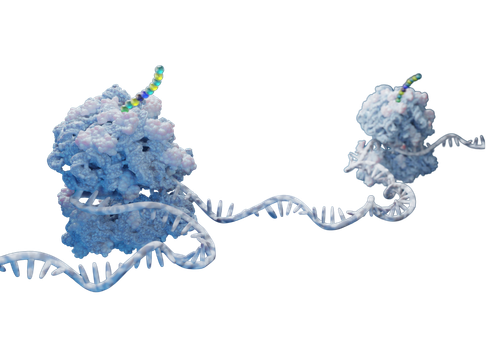
Beta-amino acids are structural relatives of the 20 standard amino acids, but with an extra carbon in the backbone. This small change has large consequences: beta-residues resist proteolytic degradation and can stabilise peptide conformations that natural amino acids may struggle to maintain in vivo.
In a 2025 study on MUC1 cancer vaccine glycopeptides, researchers positioned beta-amino acids both within and outside the immunodominant epitope. The modified peptides retained native antibody recognition while gaining resistance to enzymatic breakdown. When conjugated to gold nanoparticles, the beta-modified vaccines produced stronger IFN-gamma cytokine responses than the unmodified originals (Gibadullin et al., 2025).
This approach addresses a persistent challenge in peptide vaccine design: the trade-off between immunogenicity and metabolic stability. Beta-amino acid substitution helps mitigate this trade-off by preserving epitope shape while blocking protease access. The result is a vaccine candidate with improved bioavailability and stronger immune activation, without requiring formulation tricks or delivery vehicles.
Source publication
View source paper →Interested in ncAA-enhanced therapeutics?
Constructive Bio can incorporate hundreds of non-canonical amino acids via fermentation at scale.