Protease resistance
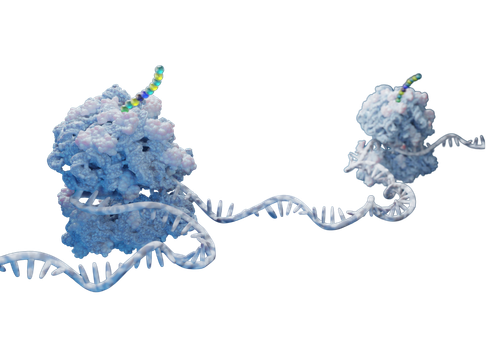
Protease degradation is the primary reason most peptide drugs have short half-lives. Natural proteases recognise and cleave alpha-amino acid backbones. Beta-amino acids, with an extra carbon in the backbone, are poor substrates for most proteases while maintaining biological activity.
Researchers applied machine learning to explore 336,000 virtual alpha/beta-peptide variants of aurein 1.2, an antimicrobial peptide from Australian bell frogs. The optimised sequences achieved up to 52-fold higher antifungal selectivity against drug-resistant pathogens, while resisting proteolytic breakdown that destroys the natural peptide within minutes (Chang et al., 2025).
Protease resistance through backbone modification is one of the most broadly applicable ncAA capabilities. It benefits GLP-1 agonists (extending half-life from minutes to days), oral peptides (surviving the GI tract), antimicrobial peptides (maintaining activity in serum), and any therapeutic peptide where enzymatic degradation limits efficacy. Constructive Bio's fermentation platform can incorporate these backbone modifications during production, avoiding the yield penalties of SPPS for longer or more complex sequences.
Source publication
View source paper →Interested in ncAA-enhanced therapeutics?
Constructive Bio can incorporate hundreds of non-canonical amino acids via fermentation at scale.