Prolonged action
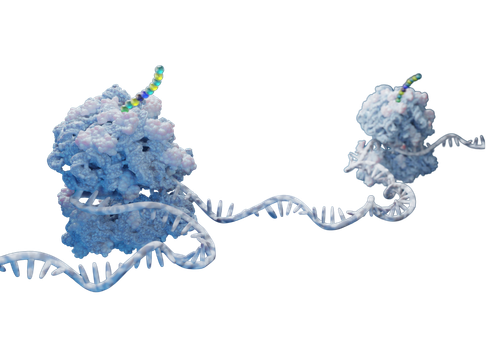
Most biologics bind their targets reversibly. The drug eventually dissociates, requiring repeated dosing. Covalent binding, where the drug forms a permanent chemical bond with its target, can extend duration of action substantially. The challenge is controlling where and when covalent bond formation occurs.
SuFEx-reactive non-canonical amino acids (fluorosulfate-L-tyrosine, meta-fluorosulfate-L-tyrosine, fluorosulfonyloxybenzoyl-L-lysine) solve this through proximity-driven reactivity. These ncAAs remain inert in circulation but form covalent bonds specifically when positioned close to nucleophilic residues (lysine, histidine, tyrosine) on the target protein. In a HER2/EGFR bivalent construct, SuFEx-mediated covalent binding increased tumour retention compared to reversible binding (Gao et al., 2025).
Prolonged target occupancy can in principle reduce dosing frequency and improve efficacy, particularly for oncology targets where sustained receptor blockade matters. This covalent biologic approach combines the selectivity of protein therapeutics with the irreversible pharmacology traditionally associated with small-molecule drugs.
Source publication
View source paper →Interested in ncAA-enhanced therapeutics?
Constructive Bio can incorporate hundreds of non-canonical amino acids via fermentation at scale.