Molecule activation
L-DOPA is best known as a Parkinson's disease treatment, but it is also a versatile molecular building block. As a non-canonical amino acid, L-DOPA introduces catechol chemistry that enables adhesion, cross-linking, and redox activity, properties absent from the standard amino acid repertoire.
When incorporated site-specifically into collagen-like peptide scaffolds, L-DOPA transforms passive structural proteins into active, programmable biomaterials. The modified collagen showed faster self-assembly, stronger hydrogel formation, improved cell adhesion, and enhanced biocompatibility. Early data also indicated improved cell migration and angiogenesis (Deutschman et al., 2025).
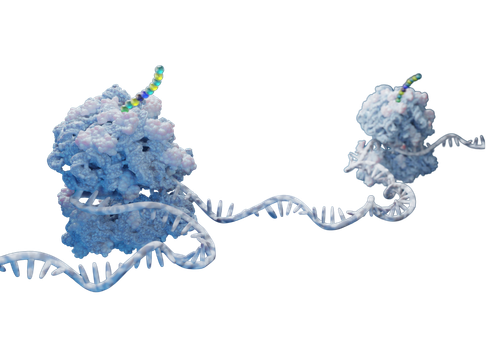
This illustrates a broader principle of ncAA-driven molecule activation: rather than modifying a protein after it is made (post-translational modification), you build the desired chemistry directly into the primary sequence during translation. The functional group is precisely positioned, stoichiometrically controlled, and present in each copy of the molecule. Applications extend beyond biomaterials to adhesive proteins, biosensors, and tissue engineering scaffolds.
Source publication
View source paper →Interested in ncAA-enhanced therapeutics?
Constructive Bio can incorporate hundreds of non-canonical amino acids via fermentation at scale.