Heteropolymer backbone
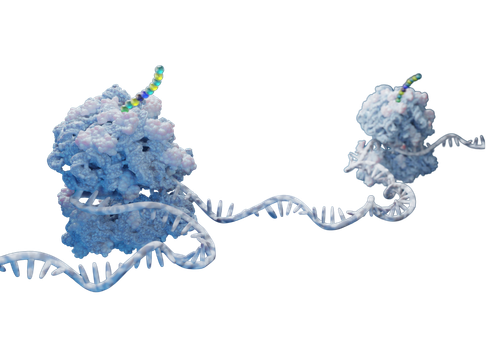
Standard proteins use alpha-amino acid backbones exclusively, but many bioactive natural products (taxol, andrimid, actinoramide A) contain beta-, gamma-, or delta-linkages. Accessing these extended backbone architectures in ribosomally produced proteins has been difficult because the ribosome normally makes only alpha-peptide bonds.
BEAR (Backbone Extension by Acyl Rearrangement) addresses this through a post-translational trick. Hydroxy acid ncAAs carrying masked amine groups are incorporated normally by the ribosome. After translation, the amine is unmasked and triggers a spontaneous intramolecular rearrangement that extends the backbone, converting a standard alpha-linkage into a beta- or gamma-linkage within the finished protein (Roe et al., 2025).
This creates heteropolymer backbones, proteins containing mixed linkage types, using standard ribosomal translation followed by programmed chemistry. The implications extend to protease-resistant therapeutics, novel macrocyclic architectures, and materials with backbone properties that natural proteins may not achieve.
Source publication
View source paper →Interested in ncAA-enhanced therapeutics?
Constructive Bio can incorporate hundreds of non-canonical amino acids via fermentation at scale.