Functional switch
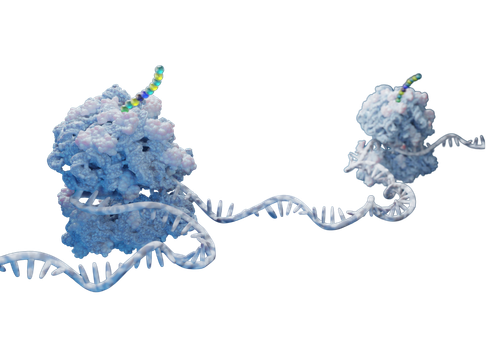
Phosphorylation is the most common protein regulatory mechanism, but natural phosphotyrosine is unstable, rapidly removed by cellular phosphatases, and lost during purification. This makes it difficult to study or exploit therapeutically. A non-hydrolysable phosphotyrosine mimetic, genetically encoded, addresses this.
Pentafluorophosphatophenylalanine (PF5CF2Phe), incorporated site-specifically into a small protein scaffold, produced a stable phosphatase inhibitor that could not be generated with any natural amino acid. The modified protein strongly inhibited PTP1B and SHP2, two clinically relevant tyrosine phosphatases. The unmodified scaffold showed no inhibition; the single ncAA substitution switched the protein's function entirely (Ambros et al., 2026).
This illustrates that ncAAs can serve as functional switches, not merely optimisation tools. One substitution converted a non-functional protein into a potent inhibitor. For drug development, stable phosphomimetics enable therapeutic targeting of phosphotyrosine-dependent signalling pathways without the instability of natural phosphorylation.
Source publication
View source paper →Interested in ncAA-enhanced therapeutics?
Constructive Bio can incorporate hundreds of non-canonical amino acids via fermentation at scale.