Enhanced catalytic activity
Enzyme performance often depends on the hydrophobic environment around the active site. The 20 standard amino acids provide only five strongly hydrophobic options (leucine, isoleucine, valine, phenylalanine, methionine), limiting how finely engineers can tune substrate binding, transition-state stabilisation, and product release.
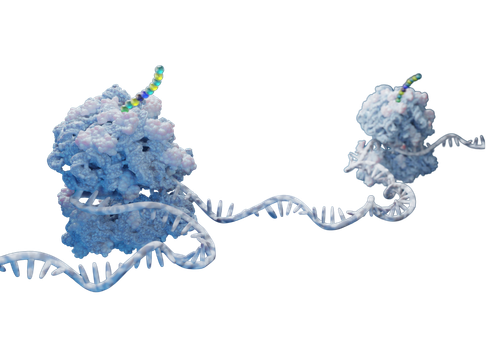
Non-canonical amino acids expand this palette with hydrophobic side chains of varying size, shape, and electron density. In work on bacterial laccases, enzymes used in pollutant degradation, bioremediation, and industrial chemistry, ncAA substitutions allowed precise hydrophobic tuning of the active site pocket. The result was improved catalytic efficiency without disrupting the overall protein fold (Fischer et al., 2025).
This approach applies wherever enzyme performance is limited by the hydrophobic properties available from nature's 20 amino acids. Applications include biocatalysis for pharmaceutical manufacturing, biosensor design, and industrial enzyme engineering, where small improvements in catalytic efficiency translate directly to process economics.
Source publication
View source paper →Interested in ncAA-enhanced therapeutics?
Constructive Bio can incorporate hundreds of non-canonical amino acids via fermentation at scale.