De novo protein synthesis study
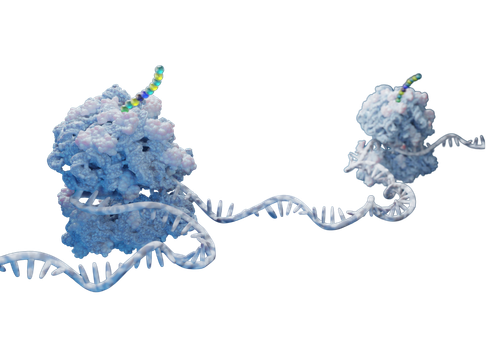
BONCAT (bioorthogonal non-canonical amino acid tagging) uses azidonorleucine (ANL) to label newly synthesised proteins in living cells. ANL is incorporated in place of methionine during translation, and its azide group allows selective chemical capture of only those proteins made during the labelling window. This enables researchers to track de novo protein synthesis in real time.
Using BONCAT, researchers discovered that cancer cachexia, the muscle wasting that affects up to 80% of advanced cancer patients, is driven by a shutdown of de novo protein synthesis in skeletal muscle. Oxytocin treatment restored protein synthesis, revealing a potential therapeutic intervention for a condition that resists conventional nutritional approaches (Sviercovich et al., 2025).
This research application of ncAAs differs from therapeutic incorporation: here, the ncAA serves as a molecular reporter rather than a functional enhancement. It demonstrates the breadth of ncAA utility, from fundamental biology research tools to therapeutic building blocks, all enabled by the same genetic code expansion technology.
Source publication
View source paper →Interested in ncAA-enhanced therapeutics?
Constructive Bio can incorporate hundreds of non-canonical amino acids via fermentation at scale.