Activity, stability, structure
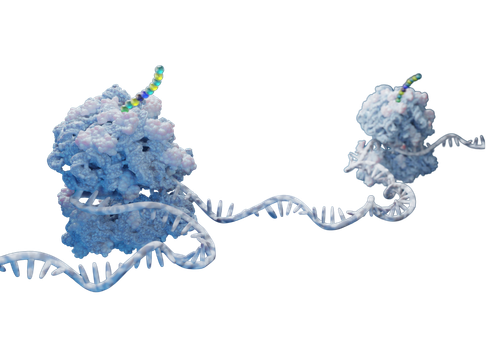
Endolysins (phage-derived enzymes that lyse bacteria) are promising alternatives to antibiotics, but face the same challenges as other protein therapeutics: protease degradation, thermal instability, and poor serum persistence. These limitations are particularly acute for Gram-negative bacterial targets, where the outer membrane adds another barrier.
Incorporating azido ncAAs (pAzF and AnzL) at solvent-exposed positions improved all three parameters simultaneously. The modified endolysins showed enhanced bacteriolytic activity, superior thermal and storage stability, and preserved structural integrity compared to the wild-type enzyme (Qi et al., 2025).
This multi-parameter improvement from ncAA substitution is notable because conventional protein engineering often faces trade-offs, where optimising one property degrades another. ncAAs, by introducing chemical properties outside the natural amino acid repertoire, can break these trade-offs. The same approach applies to any therapeutic protein where activity, stability, and structural integrity must be maintained simultaneously.
Source publication
View source paper →Interested in ncAA-enhanced therapeutics?
Constructive Bio can incorporate hundreds of non-canonical amino acids via fermentation at scale.