Fine-tuned acid-base switch
Histidine is unique among standard amino acids because its pKa sits near physiological pH (around 6.0), making it nature's acid-base switch. But a single pKa value limits precision. What if you could dial the switching point up or down to match a specific biological environment?
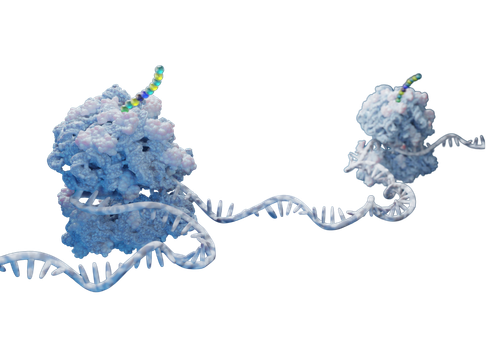
Researchers created 12 histidine-like non-canonical amino acids with systematically tuned pKa values and five alternative heterocyclic scaffolds beyond imidazole. Each comes with engineered cellular machinery for genetic incorporation (Perdigeuro et al., 2025). This gives protein engineers a toolkit of pH-responsive switches rather than a single fixed option.
Applications include pH-sensitive drug release (releasing payload in the acidic tumour microenvironment or endosomal compartments), enzyme active-site tuning (optimising catalytic rate for a specific pH range), and biosensor design (creating proteins that report on local pH changes). Anywhere histidine's switching behaviour matters, these ncAAs let you fine-tune it.
Source publication
View source paper →Interested in ncAA-enhanced therapeutics?
Constructive Bio can incorporate hundreds of non-canonical amino acids via fermentation at scale.